
Blog
Weld Symbol Details: A Complete Guide to Welding Symbols and Their Meanings

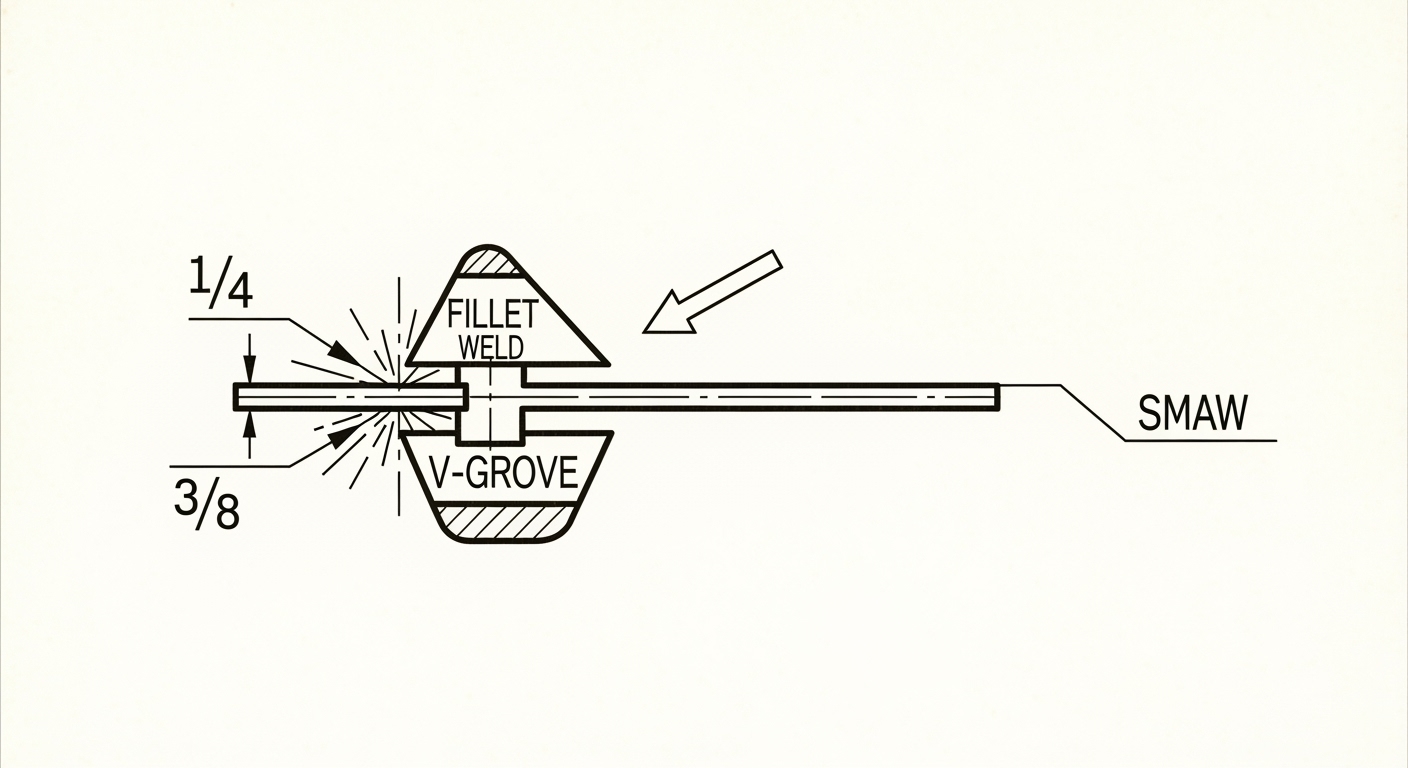
When it comes to fabrication and engineering drawings, weld symbol details play a vital role in communicating the type, size, and location of welds required for a structure. These symbols act as a universal language between designers, engineers, and welders, ensuring that every joint and connection is accurately produced. Understanding not only improves productivity but also minimizes errors and material wastage.
In this comprehensive guide, we’ll break down every important aspect of , including their meaning, classification, and placement. By the end, you’ll have a complete understanding of how to read and interpret weld symbol in real-world applications.
Understanding the Basics of Weld Symbol Details
Before diving into complex illustrations, it’s crucial to grasp the fundamental concept of weld symbol details. A is essentially a graphical representation placed on engineering drawings to specify the type of weld to be performed. These details eliminate the need for long written instructions, making the blueprint clean and universally understandable.
Key Components of Weld Symbols
A standard consists of several parts. Each element conveys a specific meaning that guides the welder:
| Component | Description |
|---|---|
| Reference Line | The horizontal line on which the weld symbol is placed |
| Arrow | Points to the location of the weld on the drawing |
| Tail | Optional element used for additional notes or specifications |
| Basic Weld Symbol | Represents the type of weld (fillet, groove, spot, etc.) |
| Dimensions and Angles | Indicate size, length, or depth of the weld |
| Supplementary Symbols | Include finishing instructions or contour details |
Each of these elements contributes to the precision and clarity of the welding instructions.
Types of Weld Symbol Details
Different welding processes require different symbols. Let’s explore the most common weld symbol used in industrial drawings.
Fillet Weld Symbol
The fillet is one of the most commonly used. It’s represented by a triangular shape, symbolizing a weld that joins two surfaces at approximately right angles. Fillet welds are used in lap joints, corner joints, and T-joints.
| Feature | Fillet Weld Detail |
|---|---|
| Shape | Triangle on reference line |
| Placement | Arrow or other side |
| Common Joints | Lap, Corner, T-Joint |
Groove Weld Symbol
Groove welds are used when two pieces are placed edge-to-edge. The groove varies depending on the groove type, such as square, V, U, or J groove.
| Groove Type | Symbol Representation | Application |
|---|---|---|
| Square Groove | Two parallel lines | Thin materials |
| V-Groove | V-shaped symbol | Medium thickness |
| U-Groove | Curved “U” shape | Thick sections |
| J-Groove | Half “U” shape | Uneven thickness |
These ensure proper penetration and strength in welded joints.
Spot and Seam Weld Symbols
Spot welds are used primarily in sheet metal applications, while seam welds are continuous lines formed by multiple spot welds in sequence.
| Type | Symbol | Use |
|---|---|---|
| Spot Weld | Circular symbol | Sheet metal fabrication |
| Seam Weld | Straight line with periodic circles | Automotive and industrial panels |
Plug and Slot Weld Symbols
Plug and slot welds fill holes or elongated openings in one member of a joint. These weld symbol help provide additional strength where necessary.
| Type | Symbol Shape | Purpose |
|---|---|---|
| Plug Weld | Filled circle | Strengthen overlapping joints |
| Slot Weld | Filled rectangle | Reinforce elongated openings |
Reading and Interpreting Weld Symbol Details
To effectively interpret , one must understand where the symbol is placed relative to the reference line.
-
Arrow Side Welds: When the symbol is below the reference line, the weld should be made on the arrow side of the joint.
-
Other Side Welds: When the symbol is above the reference line, the weld should be made on the side opposite the arrow.
-
Both Sides Welds: When symbols appear on both sides of the reference line, it indicates welding on both sides of the joint.
Example Interpretation Table
| Symbol Position | Weld Location | Example Application |
|---|---|---|
| Below Line | Arrow Side | Fillet weld on lower joint |
| Above Line | Other Side | Groove weld opposite arrow |
| Both Sides | Double Weld | T-joint with two fillets |
Interpreting these correctly ensures accurate weld placement and structural strength.
Supplementary Weld Symbol Details
Supplementary symbols add further information about the shape or finishing of a weld. They often appear alongside the basic to provide complete welding instructions.
| Supplementary Symbol | Meaning | Example Use |
|---|---|---|
| Convex | Weld face is raised | Reinforced joints |
| Concave | Weld face is indented | Flush surface finishes |
| Flat | Weld face is level | Aesthetic surfaces |
| Field Weld | Indicates welding performed on-site | Construction welding |
| Contour Finish | Specifies grinding or machining | High-precision work |
These details ensure that the final weld meets both aesthetic and structural requirements.
Placement Rules for Weld Symbol Details
Proper placement of on drawings is essential for avoiding confusion. The American Welding Society (AWS) has standardized guidelines to ensure consistency across industries.
-
The reference line should always remain horizontal.
-
The arrow must clearly point to the joint where welding is required.
-
The symbol orientation (above or below the line) defines the weld side.
-
Dimensions and notes should be legible and placed neatly to avoid overlap.
Following these placement rules ensures clear communication between engineers and welders, preventing costly mistakes in fabrication.
Applications of Weld Symbol Details in Industry
The use of spans across various industries, from automotive and aerospace to shipbuilding and construction. Accurate interpretation of these details enhances manufacturing efficiency and product reliability.
| Industry | Use of Weld Symbols | Outcome |
|---|---|---|
| Automotive | Sheet metal fabrication | High-strength joints |
| Construction | Structural steelwork | Safety and durability |
| Aerospace | Precision components | Lightweight integrity |
| Shipbuilding | Hull and frame assembly | Water-tight welds |
Understanding weld symbol helps technicians and engineers achieve precise, strong, and aesthetically pleasing welds.
Common Mistakes in Reading Weld Symbol Details
Even experienced welders can sometimes misinterpret symbols, leading to welding errors. Some common mistakes include:
-
Confusing arrow side with the other side.
-
Ignoring supplementary symbols.
-
Misreading weld size or length.
-
Overlooking field weld indications.
Avoiding these errors requires proper training and attention to the drawing specifications.
Advantages of Understanding Weld Symbol Details
Knowing how to read and apply weld symbol provides several benefits:
-
Improved Communication: Simplifies interaction between designers and fabricators.
-
Reduced Errors: Minimizes the chance of incorrect welds.
-
Efficiency: Speeds up the production process by reducing ambiguity.
-
Cost-Effectiveness: Prevents rework and material waste.
-
Safety: Ensures structural integrity and compliance with standards.
Conclusion
Mastering weld symbol details is an essential skill for anyone in the fabrication, engineering, or welding industry. These symbols provide a standardized way to communicate complex information about joints, weld types, and finishes. By understanding the placement, meaning, and variations of weld symbols, professionals can ensure quality, safety, and efficiency in every project.
Whether you’re a student learning the basics or a professional seeking deeper knowledge, paying attention towill significantly enhance your technical capabilities and ensure flawless welding results.

Christina Leoso is more than just an artist; she is a storyteller who uses her creativity to bridge the gap between emotion and expression. Her journey through the world of art has been nothing short of fascinating, filled with twists, turns, and sparks of inspiration. From early influences that shaped her vision to notable pieces that have captivated audiences, Christina’s creative path reflects both personal growth and artistic evolution. As we delve into her life, we uncover not only the artistry but also the heart behind it all. Join us on this exploration of Christina Leoso’s vibrant mind and discover what makes her work resonate so deeply in today’s art community.
Early Life and Creative Influences
Christina Leoso was born into a family that cherished creativity. Her childhood home buzzed with art supplies and music, providing the perfect backdrop for imagination to flourish. From an early age, she found solace in sketching, using it as a means of self-expression.
Her parents played pivotal roles in her artistic journey. They often took her to galleries and local exhibits, exposing her to diverse styles and techniques. This early immersion ignited a passion within Christina that would shape her future.
Nature also left its mark on her work. Long walks through lush forests became sources of inspiration, filling her mind with vivid imagery and ideas waiting to be transformed onto canvas. Each experience layered richness into Christina’s evolving artistic voice—a blend of influences that would set the stage for her unique approach to art.
The Evolution of Christina’s Artistic Style
Christina Leoso’s artistic style has undergone a fascinating transformation over the years. Initially influenced by classical techniques, her early works displayed meticulous attention to detail and a vibrant color palette.
As she explored different mediums, Christina began infusing elements of abstraction into her pieces. This shift allowed her to convey emotions in more dynamic ways. The balance between realism and abstraction became a hallmark of her work.
With each new project, Christina experimented with textures and layering, adding depth that captivated viewers. Her recent projects reflect an even bolder approach—combining digital art with traditional methods.
This evolution speaks volumes about her growth as an artist. Each phase unveils another layer of creativity while still paying homage to her roots. Christina’s journey is not just about change; it’s also about embracing the infinite possibilities within herself as an artist.
Inspiration Behind Her Most Notable Pieces
Christina Leoso draws inspiration from a myriad of sources, each piece telling its own unique story. Nature often plays a pivotal role in her creations. The vibrant colors of flowers and the tranquility of landscapes ignite her imagination.
Travel also fuels Christina’s artistic fire. Each destination introduces her to new cultures, traditions, and experiences that seep into her work. She captures the essence of these places through vivid imagery.
Her personal journey is another significant influence. Life’s ups and downs shape her emotional landscape, infusing depth into every brushstroke. Moments of joy or sorrow resonate within her art, inviting viewers to connect on a deeper level.
Literature is another constant source for Christina. Books inspire themes and narratives she weaves into visual masterpieces, creating layers that engage the audience’s mind as well as their eyes. Each notable piece reflects not just skill but an intricate web of influences that define Christina Leoso’s artistry.
Overcoming Creative Blocks and Challenges
Creative blocks can feel like a heavy fog, obscuring inspiration and making every brushstroke or line of text seem daunting. For Christina Leoso, these moments are part of the artistic journey.
When faced with stagnation, she embraces new experiences. A walk in nature or a visit to an art gallery often sparks fresh ideas. Engaging with different mediums also plays a crucial role in breaking through barriers.
Christina believes that vulnerability fuels creativity. Sharing her struggles openly invites dialogue within the art community, fostering connection and understanding among fellow artists facing similar hurdles.
Meditation and mindfulness practices help clear mental clutter too. By centering herself, Christina finds clarity amid chaos, reigniting her passion for creation.
Every challenge presents an opportunity for growth in her eyes. It’s not just about overcoming obstacles; it’s about transforming them into powerful sources of inspiration that enrich her work even further.
Balancing Art and Personal Life
Balancing art with personal life presents a unique challenge for Christina Leoso. As an artist, her passion often consumes her time and energy. Yet, she understands the importance of nurturing relationships outside her creative world.
Setting boundaries has become essential. Christina dedicates specific hours to creating while ensuring quality time with family and friends. This intentional separation helps replenish her creativity.
She also finds inspiration in everyday moments. A walk in the park or a shared laugh over coffee can spark new ideas. These experiences enrich her artwork and provide balance.
Moreover, mindfulness plays a significant role for Christina. Practicing self-care allows her to recharge mentally and emotionally, fostering both creativity and well-being.
Incorporating these elements into daily life creates harmony that fuels not just her art but also personal growth and connection.
Impact on the Art Community
Christina Leoso’s impact on the art community is profound. Her unique voice resonates with both emerging and established artists. She encourages dialogue about creativity, pushing boundaries.
Through workshops and exhibitions, Christina has created spaces for collaboration. Artists from various backgrounds find inspiration in her work and approach to creation. They share ideas, techniques, and stories that elevate the entire community.
Her commitment goes beyond just creating art; it’s about fostering connections. Christina champions inclusivity by highlighting diverse perspectives within her pieces.
As a mentor, she nurtures young talent while challenging seasoned artists to rethink their processes. This dynamic exchange enriches local galleries and inspires broader movements within contemporary art scenes.
The ripple effect of Christina’s contributions continues to shape how individuals perceive artistry today. It cultivates an environment where innovation can thrive alongside tradition—an essential balance for any vibrant art community.
Future Projects and Collaborations
Christina Leoso is always on the lookout for fresh opportunities. Her mind buzzes with ideas, and her sketchbook overflows with concepts waiting to be unveiled.
In the coming months, she plans to collaborate with emerging artists from diverse backgrounds. These partnerships promise a fusion of styles that will challenge traditional boundaries.
Additionally, Christina is exploring multimedia art forms. By integrating digital elements into her work, she aims to create an immersive experience for her audience.
Workshops are also in the pipeline. She wants to share her techniques and inspire budding creators, fostering a community where creativity thrives.
Her future projects reflect not just personal growth but a commitment to innovation within the art scene. Each new endeavor adds another layer to Christina’s evolving narrative as an artist committed to pushing limits and inspiring others along the way.
Conclusion: Christina’s Continued Journey as an Artist
Christina Leoso continues to inspire with her unwavering passion for art. Her journey is a testament to the power of creativity and resilience. As she embraces new challenges, Christina remains dedicated to exploring fresh ideas while honing her unique style.
Her work resonates deeply within the art community, encouraging others to find their own voice. With upcoming projects on the horizon, fans eagerly anticipate what she will create next. Christina’s artistic evolution is far from over; each piece reflects not just her talent but also her life experiences.
As she navigates this ever-changing landscape, one thing is clear: Christina Leoso’s journey as an artist will leave a lasting impact on those who encounter it.

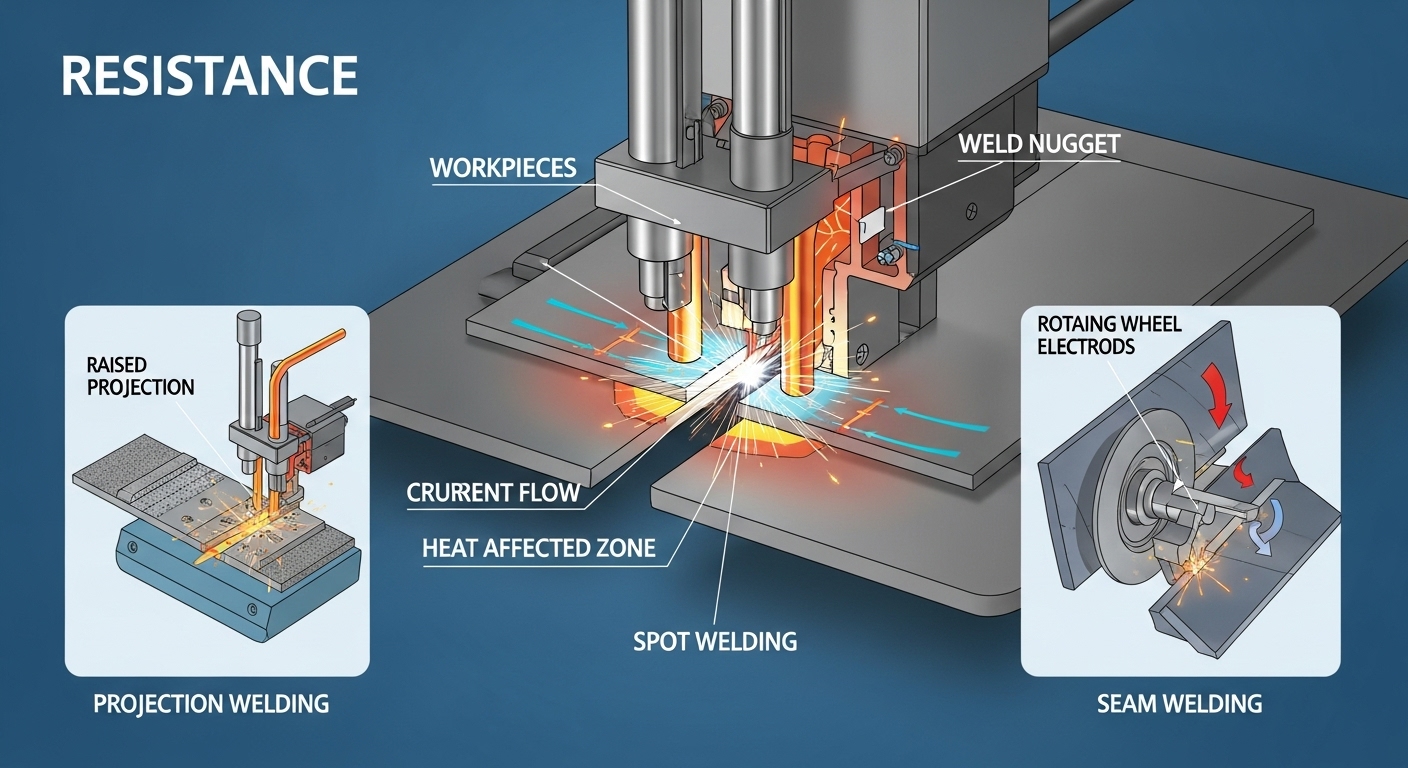
Resistance welding is a fundamental process in modern manufacturing that joins metal pieces through the application of heat generated by electrical resistance. The process is highly efficient, reliable, and widely used in the automotive, aerospace, and electronics industries. In simple terms, resistance welding uses electric current and pressure to bond two or more metal surfaces without requiring filler materials or flux.
The technique is renowned for producing clean joints, reducing waste, and ensuring consistent weld quality. Due to its automation compatibility and cost-effectiveness, resistance welding continues to be a cornerstone in industrial metal fabrication.
Understanding the Working Principle of Resistance Welding
At the heart of resistance welding lies a simple scientific principle: when an electric current passes through a resistive material, heat is generated according to Joule’s Law. The amount of heat generated depends on three factors — the current (I), resistance (R), and time (t).
The formula governing this process is:
| Parameter | Description | Symbol | Unit |
|---|---|---|---|
| Current | Electric current flowing through metals | I | Amperes (A) |
| Resistance | Electrical resistance of metal contact | R | Ohms (Ω) |
| Time | Duration of current flow | t | Seconds (s) |
| Heat Generated | Energy produced at contact area | H | Joules (J) |
The formula H = I² × R × t explains that the heat generated at the interface causes the metal surfaces to soften and fuse together under pressure. Once the desired temperature is achieved, the current is stopped, and the molten joint solidifies to form a strong weld.
Types of Resistance Welding
There are several types of resistance welding techniques, each suited for specific applications and metal thicknesses. The most commonly used types include:
1. Spot Welding
Spot welding is the most common form of resistance welding. It involves clamping two metal sheets between copper electrodes and applying current through the spot where they meet. The generated heat melts the metals, creating a localized weld known as a “nugget.”
Spot welding is extensively used in the automotive industry for joining car body panels and metal components due to its speed and simplicity.
2. Seam Welding
Seam welding is a variation of spot welding where rotating wheel electrodes continuously move over overlapping sheets. This process produces a series of overlapping welds, forming a leak-proof seam.
It is ideal for manufacturing fuel tanks, radiators, and sealed containers that require airtight joints.
3. Projection Welding
Projection welding uses raised projections or embossed areas on one of the metal surfaces to localize the heat and current flow. This technique allows multiple welds to be made simultaneously, making it efficient for mass production.
Projection welding is commonly used in electrical components, nuts, and bolts where precision and strength are critical.
4. Flash Butt Welding
Flash butt welding involves clamping the ends of two metal pieces and bringing them into contact under a controlled current. Sparks or “flashes” are produced due to resistance, and when the temperature reaches a suitable level, pressure is applied to forge the joint.
This method is ideal for joining railway tracks, pipes, and rods, ensuring strong and uniform welds without additional materials.
Equipment Used in Resistance Welding
The success of resistance welding depends largely on the quality of the equipment used. The primary components include:
| Component | Function | Material/Type |
|---|---|---|
| Power Source | Supplies electric current | AC or DC Transformer |
| Electrodes | Conducts current and applies pressure | Copper Alloys |
| Control System | Regulates current, pressure, and time | Microprocessor-based |
| Cooling System | Maintains electrode temperature | Water-cooled system |
| Workpiece Holder | Positions metal sheets accurately | Adjustable Clamp |
Each component must work harmoniously to ensure consistent heat generation, precise timing, and uniform weld strength.
Advantages of Resistance Welding
Resistance welding offers several significant advantages that make it a preferred choice in various manufacturing sectors:
-
High Speed and Efficiency: The process is extremely fast and ideal for automated production lines.
-
Strong and Reliable Joints: Welded areas are robust and resistant to mechanical stress.
-
No Need for Filler Materials: Reduces cost and simplifies the welding process.
-
Minimal Distortion: Localized heating prevents warping of the metal sheets.
-
Clean Process: Produces no smoke, sparks, or harmful fumes, making it environmentally friendly.
-
Cost-Effective for Mass Production: Especially suitable for high-volume manufacturing industries.
Disadvantages of Resistance Welding
While resistance welding offers many benefits, it also has some limitations:
-
Limited to Thin Sheets: Not suitable for very thick materials.
-
High Initial Cost: Equipment and maintenance can be expensive.
-
Limited Joint Geometry: Difficult to weld irregular or non-overlapping surfaces.
-
Electrode Wear: Electrodes degrade over time, affecting weld quality.
Despite these drawbacks, the process remains widely used because of its consistency and automation potential.
Applications of Resistance Welding
The applications of resistance welding span across multiple industries. Its versatility and efficiency make it indispensable in:
| Industry | Common Application |
|---|---|
| Automotive | Body panels, chassis, fuel tanks |
| Aerospace | Aircraft skin, brackets, and frames |
| Electrical | Motor components, switches, connectors |
| Railways | Rail joints, axles, couplings |
| Household Appliances | Washing machines, refrigerators, heaters |
Resistance welding ensures high productivity and repeatability, which are crucial for large-scale manufacturing environments.
Comparison Between Resistance Welding and Arc Welding
| Aspect | Resistance Welding | Arc Welding |
|---|---|---|
| Heat Source | Electrical Resistance | Electric Arc |
| Filler Material | Not Required | Usually Required |
| Automation | Highly Automated | Partially Automated |
| Surface Finish | Smooth and Clean | Often Requires Grinding |
| Application | Thin Metals | Thick and Complex Structures |
This comparison highlights that resistance is best suited for high-volume, thin-metal production where speed and cleanliness are priorities.
Quality Control in Resistance Welding
Ensuring weld quality is essential for maintaining structural integrity. Common quality control measures include:
-
Weld Nugget Inspection: Measuring diameter and shape of the weld spot.
-
Destructive Testing: Pull and peel tests to assess strength.
-
Non-Destructive Testing: Ultrasonic or X-ray examination for internal defects.
-
Electrode Maintenance: Regular cleaning and replacement to prevent wear.
Maintaining proper current, pressure, and timing is key to achieving consistent weld results.
Future of Resistance Welding
The future of resistance welding is moving toward smart automation and precision control. With advancements in artificial intelligence, real-time monitoring systems, and robotic integration, the process is becoming even more efficient and adaptive.
Innovations like adaptive welding systems and AI-powered quality analysis are enhancing accuracy, reducing waste, and minimizing human intervention. Moreover, sustainable practices such as energy-efficient power sources and recyclable electrode materials are making resistance an environmentally responsible choice.
Conclusion
In conclusion, resistance welding stands as one of the most reliable and efficient metal joining processes in industrial manufacturing. Its ability to produce clean, strong, and repeatable welds without additional materials makes it invaluable across automotive, electrical, and aerospace industries.
With the continuous development of automation and digital control systems, resistance will continue to evolve as a cornerstone of modern fabrication technology. Understanding its principles, types, and advantages ensures that industries can harness its full potential for productivity, quality, and sustainability.